
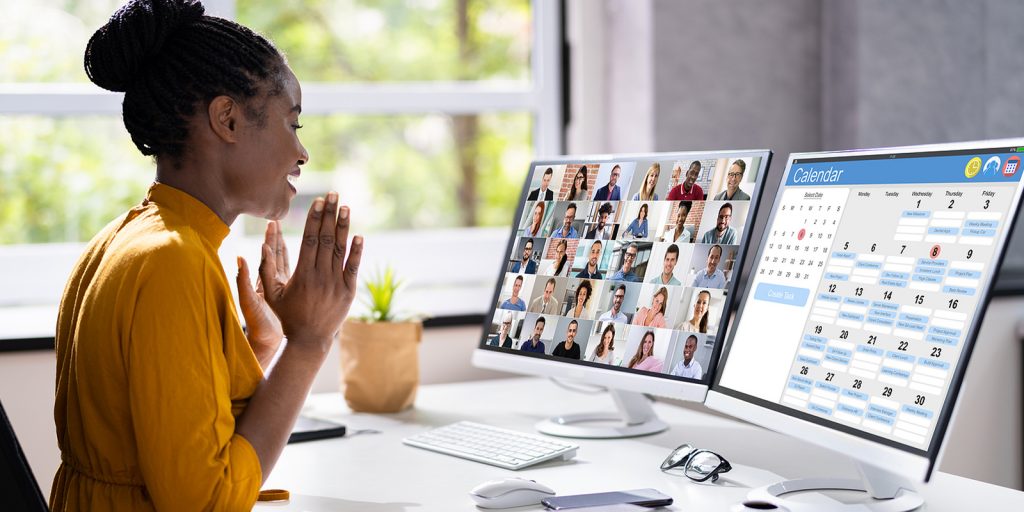
If there is one thing that we have learned as a result of COVID is that employees don’t necessarily need to be in person in order to be effective and help the company thrive. In fact, the “work from home” or “remote” work trend benefited many previously disabled but highly talented employees with the chance to re-enter the work market and be productive.
So, is returning to the office full-time really something your company needs to do?
I understand the “whys” the company is using:
- Managers believe employees will be more connected and productive if they return in person (which can be seem by some as lack of trust that they can be productive when not in constant vie of their manager)
- Managers don’t believe they are truly working or working full-time hours when they aren’t on site (another “lack of trust” issue even if productivity hasn’t decreased or even increased, in some cases)
- Companies are leasing office space that wasn’t being used and they still have time left on their lease so it’s a waste of money if employees aren’t there in person
In some cases, it comes down only to “old school leadership” and the practice of working in-person, 5 days a week, sometimes for more than 40 hours a week. I’ve even heard the argument “well, they knew when they were hired that the job would be on-site.”
If you have allowed your employees to work from home, it may actually be time to re-think your stance on it. Ask yourself:
- Were they still producing when they were working from home?
- Did productivity increase as a result of employees being able to work from home?
- How well were the employees keeping in touch?
- And most of all, did it affect your customers?
The problem with allowing someone to work from home and then wanting to take it away after any long period of time is that they got accustomed to it and were able to rebuild their personal life around it.
Many employees have shared that it allowed for more attention to their families, opening communication and reconnecting better than before. The concept of “work/life balance” seem to be a catch phrase companies used for so long, claiming they take that into account because they “care about their employees” yet are the same companies now wanting them back at work after providing a real work/life balance.
- Employees saved time commuting – which led to more time for family and friends.
- Gas prices have risen so the drive to work is seen as a burden now that it is greatly impacting their financial condition.
- Inflation has raised the prices of everything, yet companies were still giving standard raises, sometimes lowering them, and either lowering or withholding bonuses in an effort to help the company survive financially.
What this may result in for your company is employee turnover
You may say, “Fine, let them leave. We will find someone else!” except you may find it hard to find those new employees because so many are looking for some sort of flexibility now – either in working remote or working hybrid (And let’s say this now – offering one day to work from home and calling it “hybrid” is not working hybrid. You need to allow for at least 2 days work from home to be taken seriously by an employee or candidate.)
Not offering a flexibility to help them manage the rising costs of living, especially childcare and gas, will also have many employees out looking in the job market for a position that will pay them more money…even if it doesn’t offer remote or hybrid as an option. It doesn’t matter how much they may love their job, finances right now are taking center stage.
Can your company afford the downtime that will come with filling the role?
That’s the main question Leadership needs to ask itself before taking a strong stance on “return to the office or else.”
We must accept that the COVID pandemic changed the world and there is no going back to how things were. If you want to attract and retain top talent, it won’t be by just offering an above-market salary. And it’s not generational either – you are seeing the desire towards more flexibility with work location coming from everyone.
When the position really doesn’t require it be performed on-site, you can also expand your reach when it comes to talent. Embrace the change and use of technology or you may see your employee problems persist or grow even bigger.

 Timeless HR Solutions LLC